
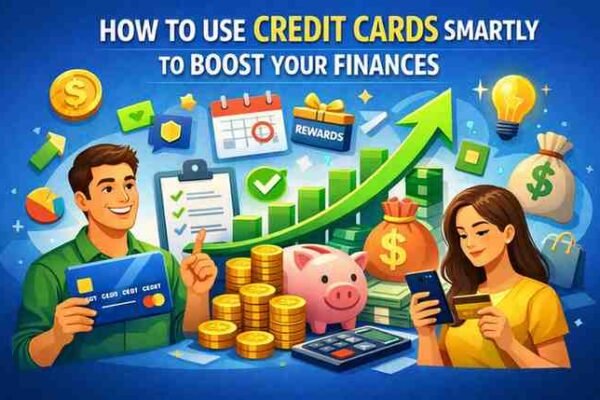
Credit cards are often seen as a tool for spending, but if used wisely, they can enhance your finances rather than harm them. Many people struggle with debt or high-interest payments due to misuse, but with discipline and strategy, credit cards can help you earn rewards, improve your credit score, and even build wealth.
Here’s a complete guide on how to use credit cards smartly to boost your finances.
1. Choose the Right Credit Card
Not all credit cards are created equal. Choosing the right card is the first step in using them effectively.
Factors to consider:
-
Rewards and cashback: Cards offering cashback on groceries, fuel, and online shopping
-
Interest rates: Lower rates reduce financial burden if you carry a balance
-
Annual fees: Some cards offer higher rewards without fees
-
Special benefits: Travel points, lounge access, or discounts on subscriptions
Tip: Pick a card aligned with your spending habits and lifestyle to maximize benefits.
2. Pay Your Bills in Full and On Time
Carrying forward credit card balances can lead to high-interest debt, which nullifies any rewards earned.
Smart practice:
-
Pay your statement balance in full every month
-
Avoid late payments to prevent interest and late fees
Benefit: Builds financial discipline, avoids debt trap, and improves your credit score.
3. Use Credit Cards for Rewards and Cashback
Credit cards often offer cashback, reward points, and discounts on purchases.
Smart usage examples:
-
Grocery and household shopping
-
Fuel and utility bills
-
Online shopping and subscriptions
-
Travel bookings (flights, hotels, trains)
Tip: Track reward points and redeem them wisely — some programs allow redeeming points for gift vouchers, flight tickets, or EMI reductions.
4. Use Cards for Short-Term Liquidity
Credit cards can act as a short-term liquidity tool if used carefully.
Examples:
-
Emergency medical expenses
-
Unplanned travel costs
-
Online payments where cash is unavailable
Caution: Ensure repayment within the interest-free period (usually 20–50 days) to avoid interest charges.
Benefit: Provides a financial cushion without resorting to high-interest loans.
5. Track Your Expenses
Using a credit card can help you track spending patterns better than cash.
How to track:
-
Review monthly statements carefully
-
Categorize expenses (food, travel, subscriptions)
-
Identify unnecessary spending to optimize budgeting
Benefit: Helps control impulsive purchases and manage finances more effectively.
6. Avoid Cash Advances
While tempting, cash advances from credit cards carry very high interest rates and additional fees.
Better alternatives:
-
Use a personal loan or emergency fund for urgent cash needs
-
Keep cash advances as a last resort
Benefit: Prevents financial losses due to high-interest rates.
7. Leverage 0% EMI Offers Wisely
Many credit cards offer 0% EMI on purchases like electronics, furniture, or travel packages.
Smart usage:
-
Break large purchases into manageable monthly payments
-
Only use 0% EMI on essential items you can pay off
Caution: Avoid unnecessary spending just because EMI is available.
Benefit: Smoothens cash flow and allows planning for big-ticket expenses.
8. Improve Your Credit Score
Responsible credit card usage boosts your credit score, which helps in:
-
Lowering interest rates on personal loans or home loans
-
Faster loan approvals
-
Higher credit limit eligibility
Tips to maintain a healthy credit score:
-
Pay bills on time
-
Keep utilization below 30% of your credit limit
-
Avoid applying for multiple cards in short periods
9. Avoid Impulsive Spending
Credit cards can encourage overspending if used carelessly.
Tips to control spending:
-
Set monthly spending limits
-
Track every swipe via banking apps
-
Avoid buying unnecessary items just to earn rewards
Benefit: Helps credit cards serve as a tool for financial growth rather than debt.
10. Combine With Other Financial Strategies
Credit cards are most effective when integrated with other financial strategies:
-
Use budgeting apps to manage spending
-
Combine with cashback bank accounts and reward points apps
-
Pay via credit card for tax-deductible expenses in businesses or freelancing
Benefit: Maximizes rewards while enhancing overall financial management.
Credit cards, when used smartly, can boost your finances rather than harm them. They offer:
-
Cashback and rewards
-
Better expense tracking
-
Short-term liquidity
-
Improved credit score
The key principles are: choose the right card, spend within your means, pay bills on time, and track rewards. With discipline, your credit card can become a powerful tool for financial growth and convenience, turning everyday spending into an opportunity to earn and save.







Leave a Reply